원발진행실어증 아형 비교 기억법
Mnemonics for Comparing Subtypes of Primary Progressive Aphasia
Article information
원발진행실어증(primary progressive aphasia, PPA)은 언어장애가 특징인 퇴행성 치매 질환으로 비유창/비문법변이원발진행실어증(nonfluent/agrammatic variant PPA, nfvPPA), 의미변이원발진행실어증(semantic variant PPA, svPPA), 로고페닉변이원발진행실어증(logopenic variant PPA, lvPPA)이 대표적 아형이다[1,2]. nfvPPA는 문법 오류와 말을 할 때 힘들고 말을 더듬으며 유창성이 떨어지지만 단일 단어 개념과 사물에 대한 인지 보존이, svPPA는 유창성과 문법은 보존되지만 대면이름대기장애와 단일 단어 이해력 저하가, lvPPA는 느린 발화 속도와 따라말하기장애가 있으나 유창성, 문법, 단어 이해의 보존이 특징이다. 세 가지 아형을 임상적으로 구별하기 위하여 운동 언어와 문법, 단어 이해, 따라 말하기를 비교할 수 있고[2-4] 이런 기능의 저하 또는 보존을 그래프(Fig.)로 표현하면 PPA 아형을 구분하는 데 도움이 된다.
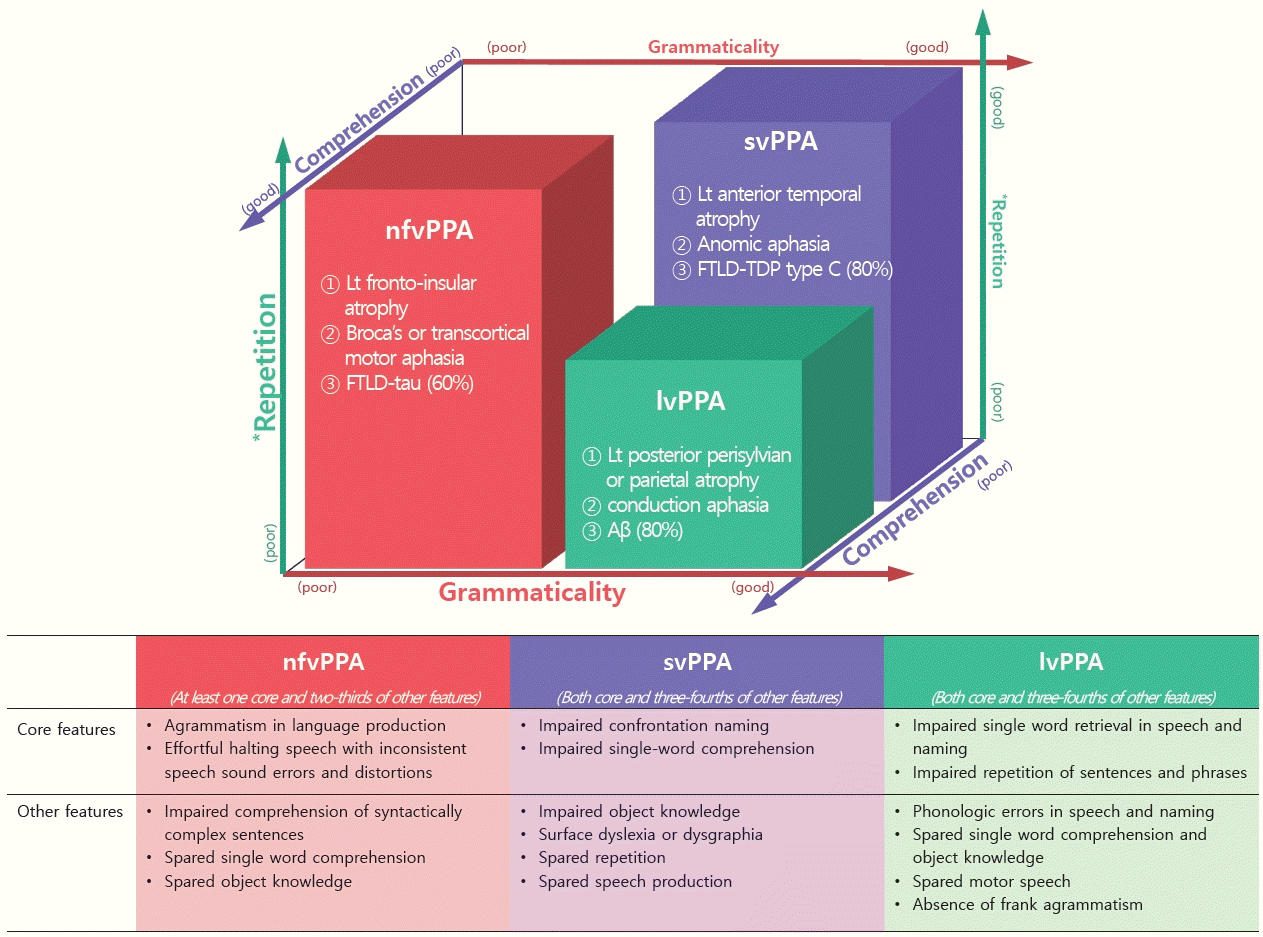
A categorizing primary progressive aphasia (PPA) based on evaluation of grammar, repetition, and word comprehension with proposed recommendations for clinical diagnosis of PPA variants. For each PPA subtype, the bar graph additionally shows the imaging-supported features, initial aphasia subtypes, and major proteinopathy findings. The difference in repetitions between nfvPPA and lvPPA is that individuals with lvPPA show impaired sentence/phrase repetition due to phonological working memory deficits, while those with nfvPPA typically have better repetition abilities, but struggle with speech production due to apraxia of speech and agrammatism. svPPA; semantic variant primary progressive aphasia, Lt; left, nfvPPA; nonfluent/agrammatic variant primary progressive aphasia, FTLD-TDP; frontotemporal lobar degeneration with transactive response DNA-binding protein, FTLD-tau; frontotemporal lobar degeneration with tau pathology, lvPPA; logopenic variant primary progressive aphasia, Aβ; Alzheimer's disease pathology.